
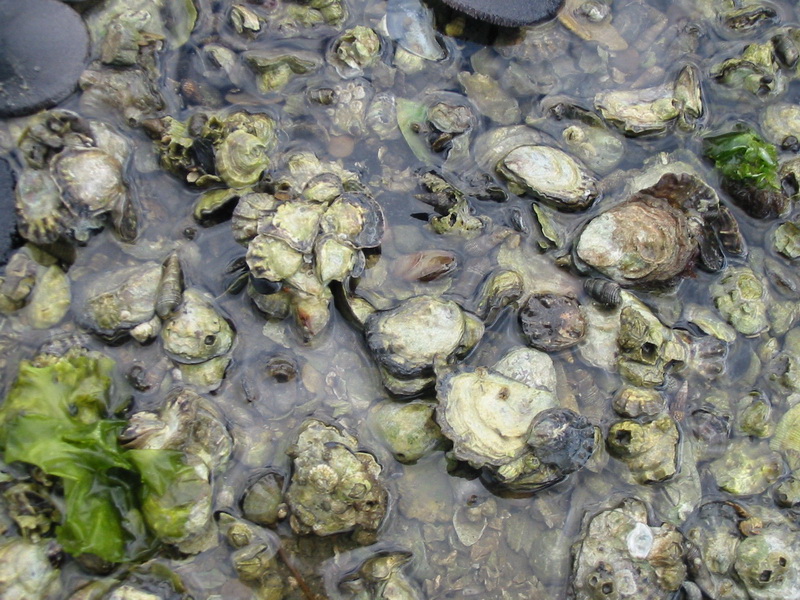
PORT TOWNSEND — Beaches closed to recreational shellfish harvesting now extend to Port Ludlow and Mats Mats Bay.
Shellfish samples from Port Ludlow were found to contain elevated levels of marine biotoxins that cause paralytic shellfish poisoning (PSP), Michael Dawson of Jefferson County Environmental Health said Wednesday.
That led to the closure by the state Department of Health.
Danger signs were being posted at public access points warning people not to consume shellfish from the area.
The closure includes clams, oysters, mussels, scallops and other species of molluscan shellfish but does not apply to shrimp.
Crabmeat is not known to contain the biotoxin, but the guts can contain unsafe levels. To be safe, clean crab thoroughly and discard the guts, which are also known as the butter.
Shellfish harvested commercially are tested for toxins prior to distribution and should be safe to eat, the state health department has said.
Earlier closures in Jefferson County include Strait of Juan de Fuca beaches from the Clallam County line east to Port Townsend, including Discovery Bay, which are closed to all species.
Kilisut Harbor, including Mystery Bay, is closed to harvesting butter and varnish clams, according to a state Department of health bulletin.
Clallam County
All Clallam County beaches along the Strait are closed to recreational shellfish harvests due to the presence of marine biotoxins.
Sequim Bay, which was previously under a limited shellfish closure, was closed Friday to the recreational harvest of all species due to diarrhetic shellfish poisoning, according to the state Department of Health.
Other Clallam County beaches have been closed to all species for elevated levels of the marine biotoxin that causes PSP.
Pacific Ocean beaches are under seasonal closure for all species.
Symptoms of paralytic shellfish poisoning can appear within minutes or hours and usually begin with tingling lips and tongue, moving to the hands and feet, followed by difficulty breathing and potentially death.
The toxin cannot be detected by sight or smell, the health department said. Neither cooking nor freezing destroys biotoxins.
Recreational shellfish harvesters can get the latest information before they leave for the beach by visiting www.doh.wa.gov or phoning 800-562-5632.
Health-related closures are in addition to seasonal closures regulated by Fish and Wildlife, found at www.wdfw.wa.gov.
The emergency regulation hotline is 866-880-5431.
