
By Phuong Le
The Associated Press
SEATTLE — A satellite-linked tag fired into an endangered southern resident orca by federal biologists led to a fungal infection that contributed to the whale’s death, scientists said.
The National Oceanic and Atmospheric Administration (NOAA) Fisheries said Wednesday that a 20-year-old orca found dead off Vancouver Island in March was found to have fragments of a dart tag in its dorsal fin.
The death prompted the agency in April to temporarily halt its tagging program.
Five weeks before it was found dead, researchers fired a small satellite-linked transmitter into the orca to track where the animals go in the winter and how they find food.
The transmitter is the size of a 9-volt battery and attaches with two titanium darts just over 2 inches long. It’s designed to detach over time and leave nothing behind in the animal.
A fungal infection entered the orca’s bloodstream at the spot where it was shot, causing the animal’s death, the necropsy found.
The fungus might have been introduced by a contaminated tag or was already on the whale’s skin and brought deeper by fragments left behind in the animal’s body, the examination found.
The tag might have been contaminated when it fell into the sea and wasn’t properly sterilized before it was used, possibly contributing to introducing the fungi into the wound, the report by a panel of scientists said.
The agency and its scientists “are deeply dismayed that one of their tags may have had something to do with the death of this whale,” NOAA Fisheries’ chief scientist, Richard Merrick, told reporters in a telephone call.
“There’s always a risk involved when you’re conducting research on wild animals. But it’s our job and our obligation to reduce that risk, and that’s what we’ll continue to do,” Merrick said.
Some advocates have criticized the tagging, saying it injures the orcas and there are less invasive ways to monitor the small population. There are currently 82 southern resident orcas. Many are seen near Port Townsend and other areas of the Strait of Juan de Fuca.
Southern resident killer whales are listed as endangered in the U.S. and Canada.
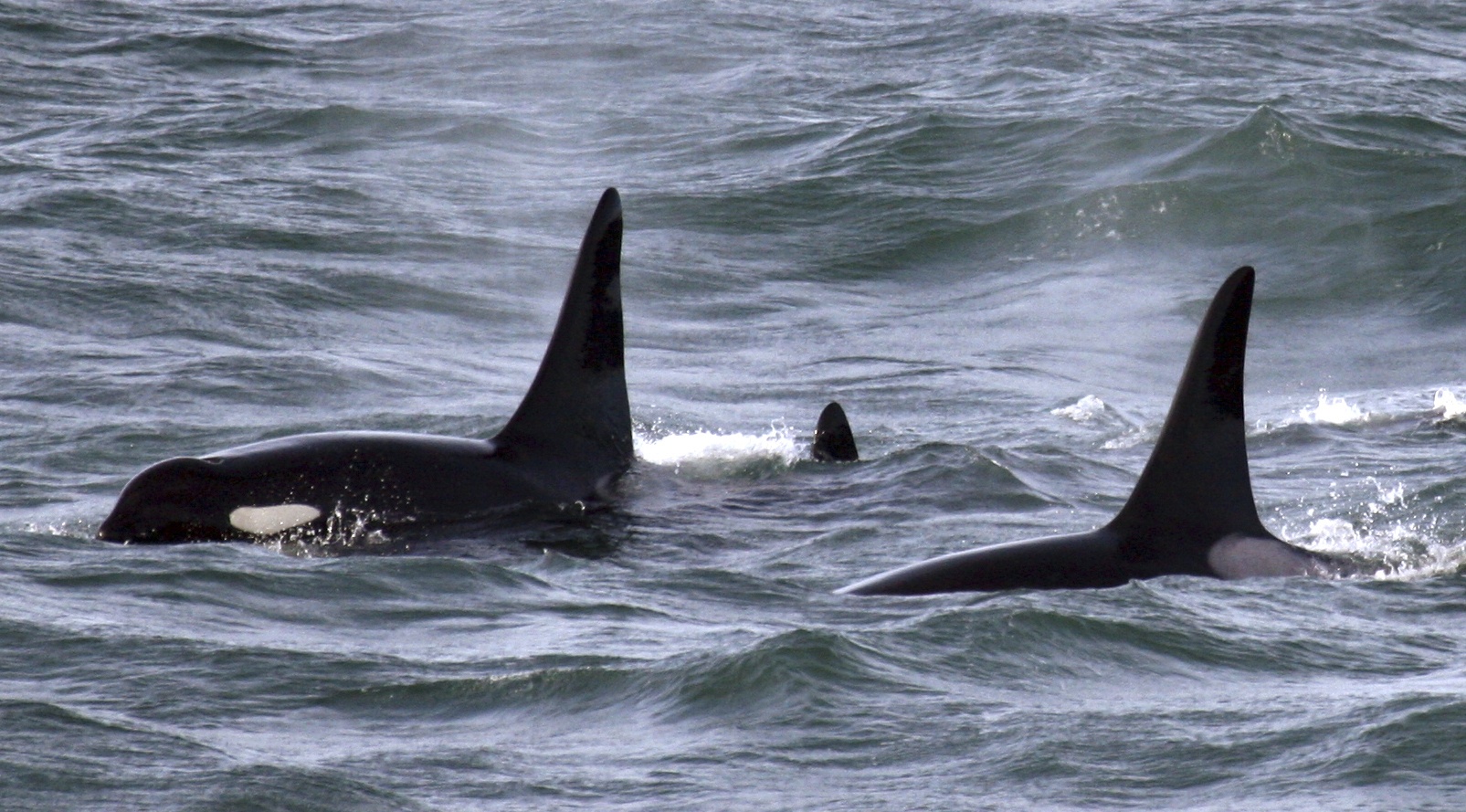
The male orca known as L95 was tagged in late February off Washington’s coast. The whale appeared to be in good health, and researchers said they did not observe any breaking when firing the transmitter.
The device provided data for four days before the signal was lost. Several weeks later, the animal was found dead.
Ken Balcomb, a senior scientist with the Center for Whale Research in Friday Harbor, said he has been raising concerns for years about the use of the tags, which he called “barbaric and risky.”
Several factors might have predisposed the whale to a severe fungal infection, including not completely sterilizing the device, Merrick said.
Near blood vessels
The tag also hit the orca near significant blood vessels, and the animal’s health might have been compromised at the time it was tagged.
“It’s devastating to think this could have happened,” said Brad Hanson, the biologist who heads the orca tagging program. He said he was in charge and “completely responsible” for failing to ensure that the tag was properly sterilized.
“We’re trying to take stock of the report and comments and figure how best to move forward,” he said.
Hanson noted the program has produced a tremendous amount of data about the orcas in a relatively short amount of time.
But the satellite tagging program will remain suspended until the agency has completed its own review.
NOAA’s Northwest Fisheries Science Center in Seattle also will set up an independent panel to review whether satellite tagging of Puget Sound resident orcas should continue.
And NOAA’s Office of Protected Resources will consider additional conditions to reduce injury or infection for all future tagging efforts on whales, dolphins and other cetaceans.
The number of southern resident killer whales has fluctuated in recent decades as they have faced threats from pollution, lack of prey and disturbance from boats.
NOAA is considering whether to expand habitat protections for the orcas to include offshore areas from Washington to Northern California, and Merrick said the tagging program has been crucial to understanding the animal’s habitat.
The tag has been used numerous times on whales and other marine mammals, as well as eight Puget Sound orcas.
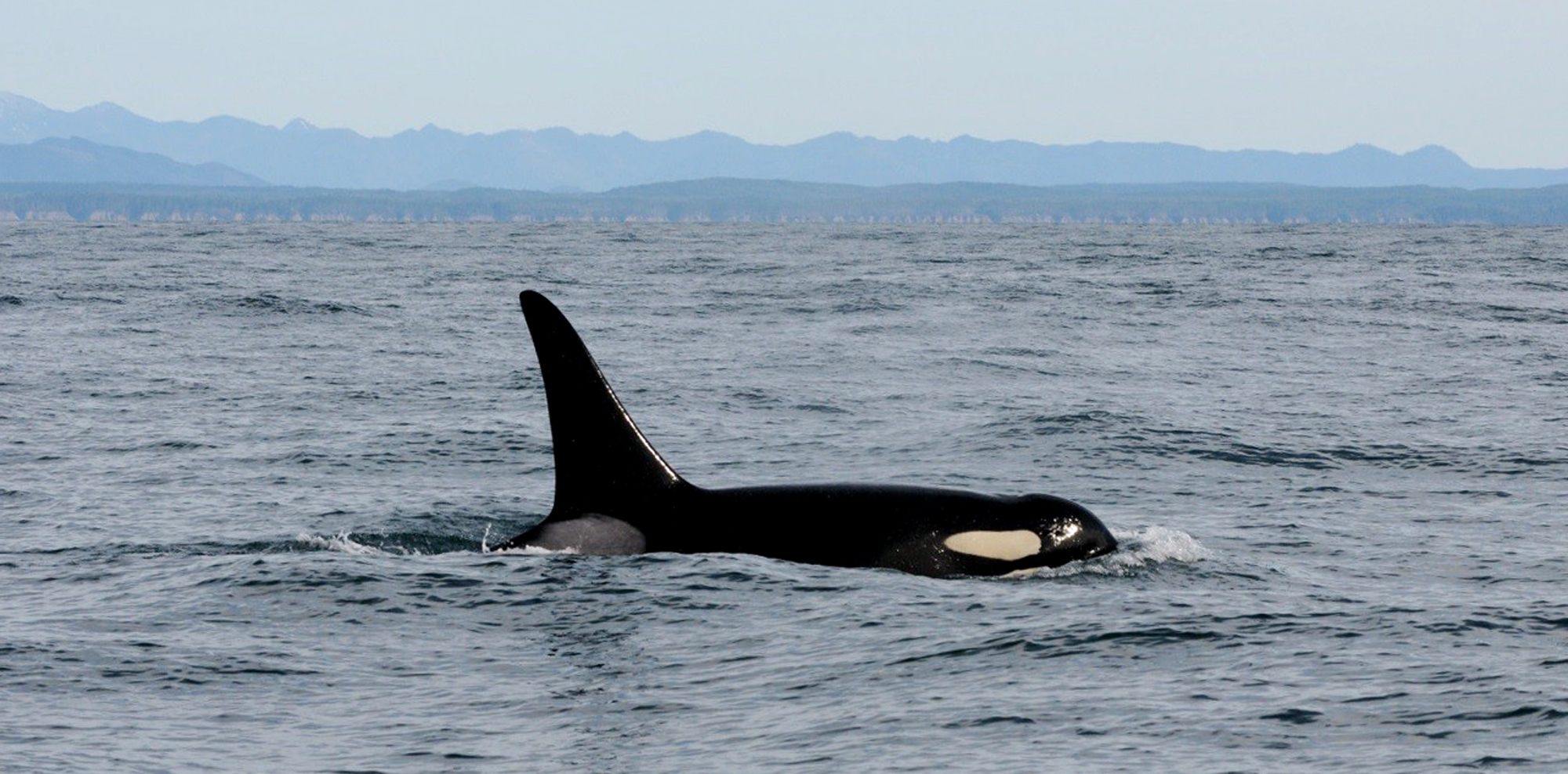
In this Feb. 23, 2016, file photo provided by NOAA Northwest Fisheries Science Center, an orca whale known as L95 swims in the Pacific Ocean near La Push shortly before being fitted with a satellite tag. (NOAA Northwest Fisheries Science Center via AP)
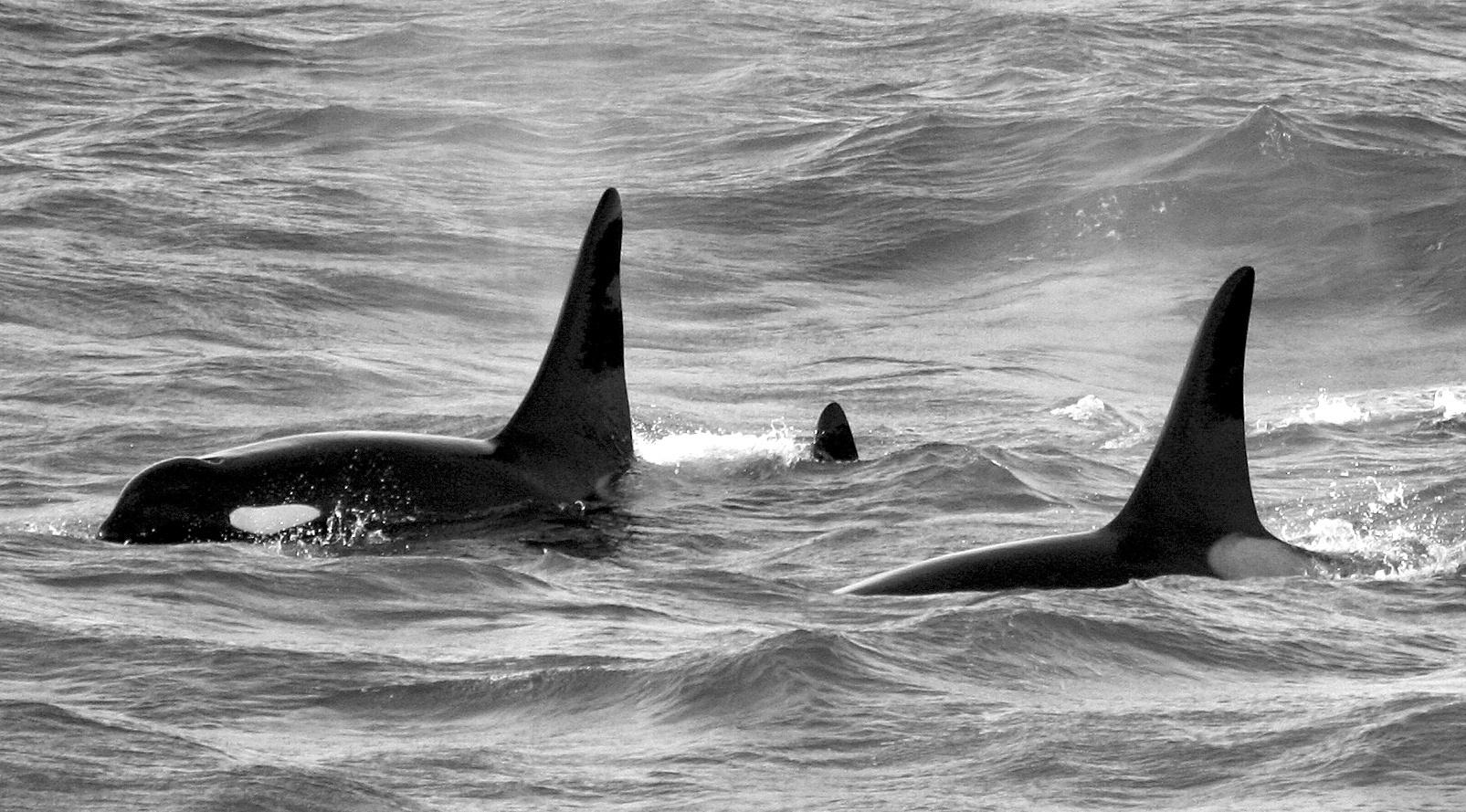
NOAA Northwest Fisheries Science Center via AP In this Feb. 27 file photo provided by NOAA Northwest Fisheries Science Center, an orca whale known as L95, right, swims with other whales from the L and K pods in the Pacific Ocean near the mouth of the Columbia River near Ilwaco days after being fitted with a satellite tag.
