
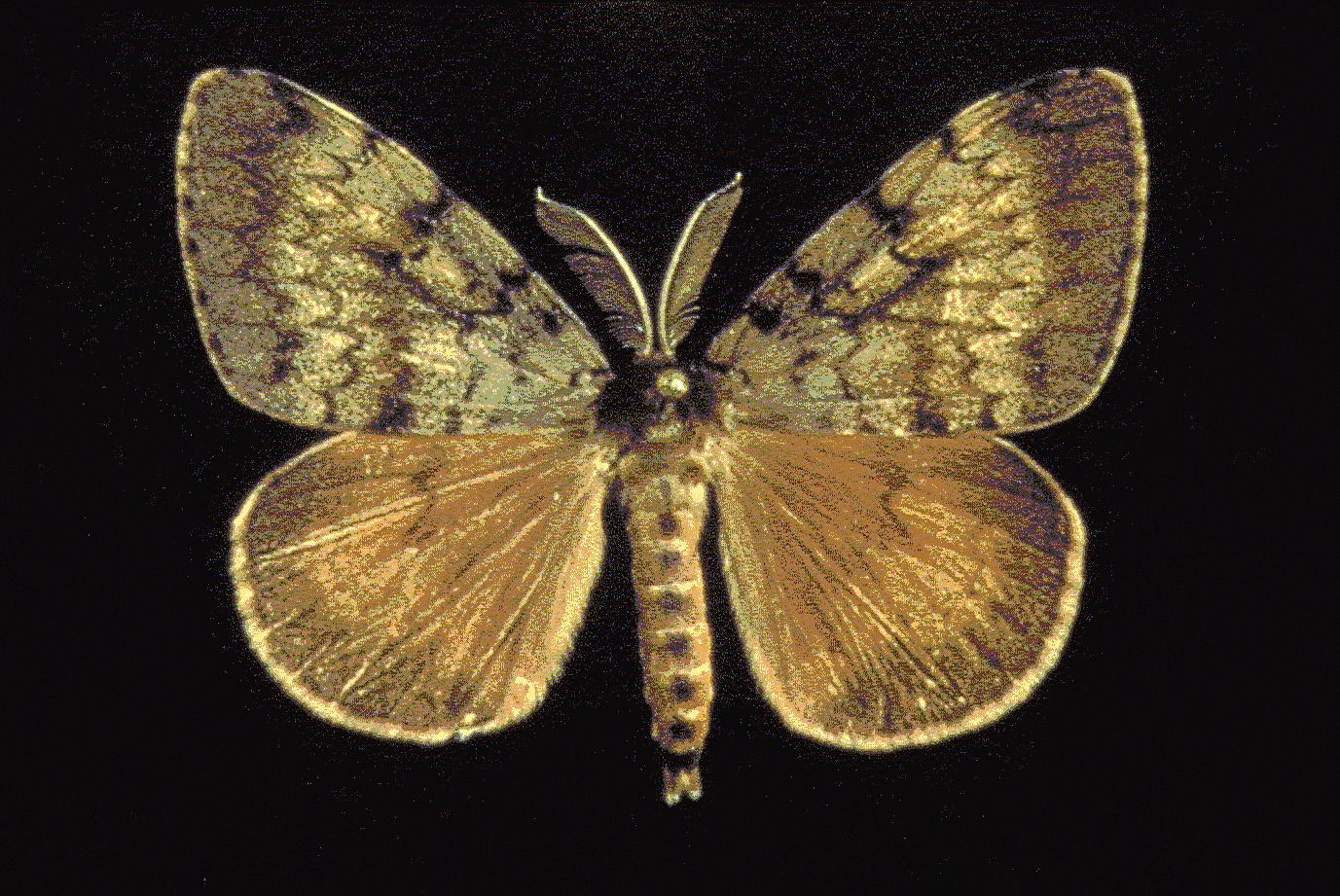
PORT TOWNSEND — A yearly statewide hunt for the gypsy moth, a ravenous species that has eaten its way through hundreds of thousands of acres of trees in the eastern U.S., has discovered 2014’s first just south of Port Townsend.
“It’s the first one this season in the state so far,” said Jim Marra, pest program manager for the state Department of Agriculture, on Friday.
The non-native moth was caught in a small trap hung from a tree off Old Fort Townsend Road about two weeks ago, Marra said.
None has been found in Clallam County, though traps have been placed throughout the county.
A single moth is not cause for alarm, Marra said, though it will trigger the placement of dozens of more traps in the immediate area to see if any more are found.
If more are trapped and a breeding population of the moths is found to have established itself, Marra said a focused plan to eradicate the moths likely would be developed.
“We would want to look for evidence of a reproducing population before we would do that,” Marra said.
“Right now, we’re just going to monitor the situation.”
Roughly 24,000 gypsy moth traps have been placed throughout the state this summer as part of a decades-long effort to keep the small insect from gaining a foothold in Washington state, Marra said.
“By and large, the main thing that prevents establishment of gypsy moths in our state is through our eradication program,” Marra said.
Gypsy moth caterpillars, which hatch in April and May, strip the leaves off of hundreds of thousands of acres of trees in 19 East Coast and Midwest states each year, Marra explained, and feed on more than 500 different species of trees.
One caterpillar can eat 11 square feet of vegetation in its life time, according to the state Department of Agriculture.
This, combined with a female’s ability to produce up to 500 more females the following spring, makes the gypsy moth one of the worst pests in the United States, according to the department.
“It’s really a very prolific moth,” Marra said.
“It has defoliated literally hundreds of thousands of acres in a year in the invested states.”
Eradication work can include both aerial spaying and ground application of biological pesticides designed to kill the moths and caterpillars, Marra explained.
“It would be a very severe economic impact on the state if it where to become established here,” Marra said.
This could lead to quarantines against wood products grown in the state, Marra explained.
The first word in the moth’s scientific name, Lymantria dispar dispar, derives from a Greek word meaning “destroyer,” according to the Merriam-Webster Dictionary.
Moth eggs are usually spread by people moving from moth-invested states, Marra explained.
The moths often lay their egg masses, collections of 100 to 200 individual eggs, on items such as outdoor furniture and bird houses, Marra said.
Marra said the state Department of Agriculture has completed some 90 eradication programs since the first gypsy moth was caught in the state in 1974.
The last eradication effort done on the North Olympic Peninsula was in 2003 in the Port Ludlow area, according to the Department of Agriculture.
Twelve acres were treated with pesticides by workers on the ground.
The year before, 14 moths had been caught in the area.
No such efforts have been needed in Clallam County, and no gypsy moths have been found in the county since 2008, when one was found in Sequim.
Gypsy moths are native to Europe and Asian and were first brought to the U.S. in the 1860s by a French amateur entomologist named Leopold Trouvelot who wanted to cross breed them with the silk worm.
Trouvelot reportedly told authorities in Medford, Mass., when some moths escaped into the environment, but no action was taken.
Twenty years later, Medford was struck with the first major gypsy moth outbreak in U.S. history.
For more information about the gypsy moth and the state’s efforts to control their numbers, visit tinyurl.com/PDN-gypsymoth.
________
Reporter Jeremy Schwartz can be reached at 360-452-2345, ext. 5074, or at jschwartz@peninsuladailynews.com.
