
The Associated Press
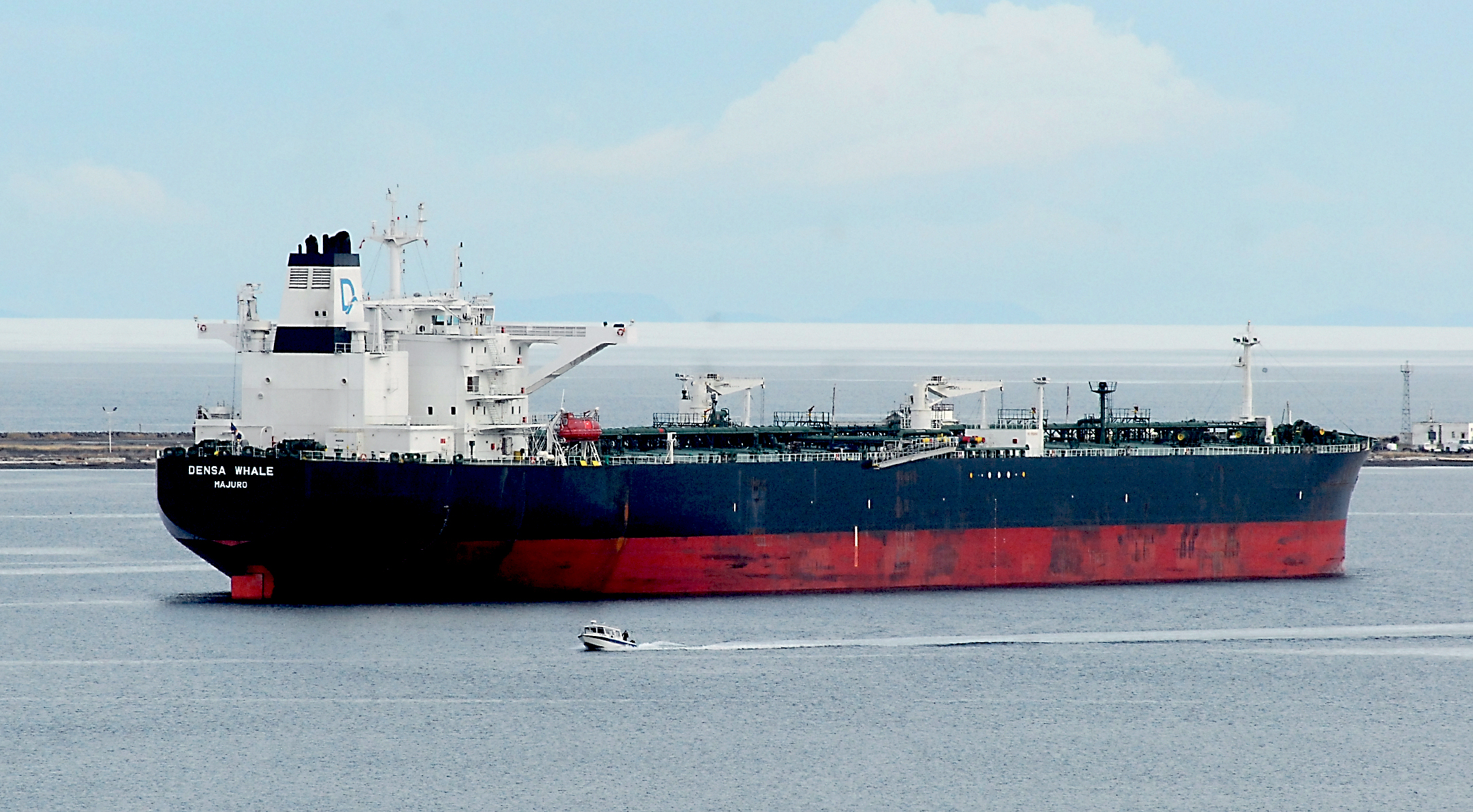
SEATTLE — The number of oil tankers in Washington state waters could increase almost sevenfold under a proposal by a Canadian pipeline company to expand the amount of crude oil it sends to the Pacific Coast.
The Makah Nation is among the entities studying the risk to the Strait of Juan de Fuca.
Kinder Morgan Canada filed a formal application with Canadian regulators earlier this month to expand its Trans Mountain pipeline that carries crude oil from Alberta’s oil sands to the Vancouver, B.C., area.
Under the proposal, up to 34 tankers a month would be loaded with oil at a terminal outside Vancouver, then generally travel through Haro Strait west of San Juan Island and the Strait of Juan de Fuca for export to markets in Asia and the U.S.
That’s up from about five tankers a month now.
The $5.4 billion expansion project would nearly triple pipeline capacity from about 300,000 to 890,000 barrels of crude oil a day to meet customer demand.
Much of that future cargo will likely be diluted bitumen from Canada’s oil sands.
Environmental groups in the U.S. and Canada oppose the project, saying it would put communities and natural resources at risk.
They say more tanker traffic raises the potential for a major oil spill or leaks.
“Putting more vessels on the water creates tremendous new risks, and risks we’re not really prepared to deal with adequately,” said Bruce Wishart, a policy adviser with the Washington Environmental Council.
“We don’t want to see more of this product moving across our waters.”
The company says it has been responsibly loading tankers and barges from the Westridge terminal for decades without incident.
Michael Davies, senior director of marine development for Kinder Morgan Canada, said in a statement the company has “clearly heard and understood the concerns raised about tanker traffic.”
He added: “We have been safely loading vessels for more than 50 years and have recommended further enhancements to marine safety and spill response in our application to ensure the local level of care and safety is well above global shipping standards.”
If approved, the expansion is expected to be operational in late 2017. The pipeline is operated by Kinder Morgan Canada and owned by Houston-based Kinder Morgan Energy Partners LP.
About 6,000 large commercial vessels transit Canadian and U.S. waters toward Vancouver or Washington ports each year.
Two other proposed projects also are expected to increase cargo vessel traffic in the Salish Sea region.
They include the Gateway Pacific coal-export terminal proposed at Cherry Point, which could add up to 487 cargo ships a year, and the proposed expansion at Deltaport at Roberts Bank in Delta, B.C.
Meanwhile, officials in Washington state are trying to anticipate how those proposals could change vessel traffic in north Puget Sound and what that means for spill risks.
The Puget Sound Partnership, the Makah Nation and others are working with researchers at George Washington University to study different risk scenarios.
“For more than two decades we’ve had a great track record of maritime safety and we want to continue that success,” said Todd Hass with the Puget Sound Partnership.
“In the face of a number projects that could add hundreds of vessels arriving in the system, we want to make sure we anticipate the changes that might occur and plan.”
Some marine officials say increased vessels can be managed.
“Safeguards are in place. They may have to be tweaked. Some folks think it’s a heavily congested waterway. There aren’t many vessels out there,” said John Veentjer, a former Coast Guard officer who heads the Puget Sound Harbor Safety Committee.
“If those projects were to be built, there would be more vessels. Can we manage those numbers? Sure,” he said. “I think it’s going to take some additional vessel traffic management effort, but it’s not something out of our reach.”
Fred Felleman, Northwest consultant for Friends of the Earth, said Canadian officials haven’t done enough to ensure they can adequately respond to spills in waters it shares with the U.S.
“They haven’t taken enough steps to prevent and respond to the size of a spill such traffic would generate,” he said.
Linda Pilkey-Jarvis, manager of the Department of Ecology’s spills preparedness section, said various efforts are underway to identify and align spill preparedness standards between the U.S. and Canada.
When the state updated its contingency plan last year, it required the industry to include response equipment to locate oil in the water column.
That was in response to some emerging proposals, such as the Kinder Morgan pipeline expansion, she said.
“There’s work to be done, but we’re not completely unprepared,” she said.
