
By Jeff Burnside KOMO-News
SEATTLE — The unprecedented algae bloom off the coast of the western United States, containing toxic domoic acid halting shellfish harvesting in broad regions, is so severe that three top scientists said they are concerned it is causing brain damage in, or killing, sea lions and other marine mammals, and might even find its way into humans.
They caution that hospitals are not equipped to test for, or diagnose, chronic low level domoic acid poisoning in human patients.
Peter Cook of Emory University, Kathi Lefebvre of NOAA, and France Gulland of the Marine Mammal Center said at the recent global Conference on the Biology of Marine Mammals in San Francisco that the massive algae bloom fueled by warmer ocean temperatures is stretching from California to Washington, and might become the new normal as oceans around the world continue to warm.
Starts with fish
Cook authored a peer-reviewed study published recently in Science magazine that found domoic acid works its way into fish which forage in the algal bloom.
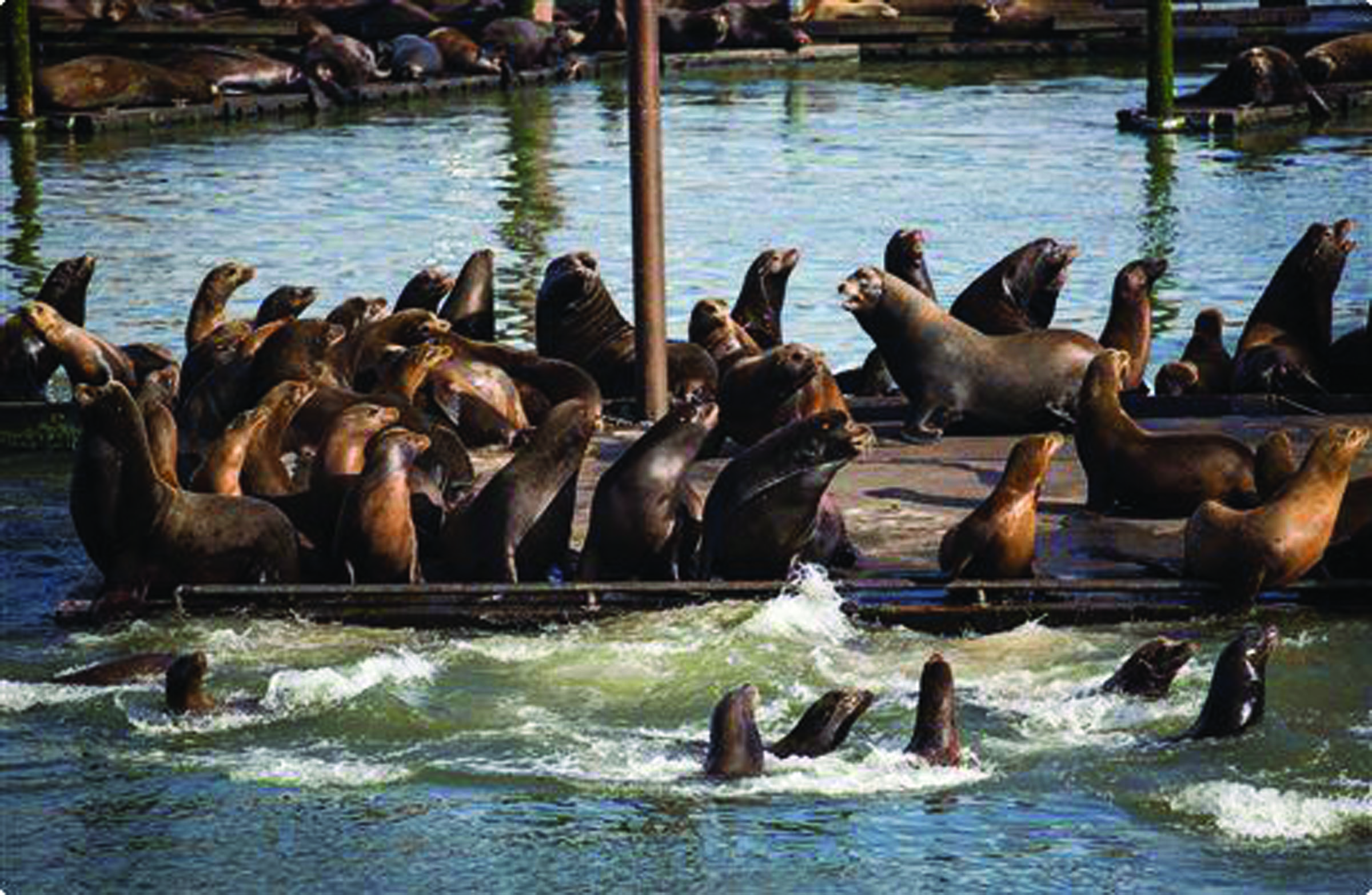
Once sea lions digest the fish, the domoic acid is absorbed in the blood and adheres to certain receptors in the sea lion brain and heart, causing seizures and even heart attacks.
They are “totally losing most of their spatial abilities” to catch food, he said.
Record numbers of sea lion deaths have been reported in California recently.
Cook is “quite concerned” about his sea lion findings.
It’s “a real worry, and it may really be a key factor of the animals’ viability, and potentially across a large number of species.”
Gulland was alarmed about a sea lion recently seen convulsing with seizures in Long Beach, Wash., a phenomenon previously chronicled only in warmer California waters.
Lefebvre said the threat to people who gather shellfish for personal consumption is “a scary situation.”
Economic impacts
She said the closure of non-commercial harvesting of Dungeness crab, razor and other clams, and oysters largely near open coastline — less so in Puget Sound — is also causing serious economic impacts in coastal communities that depend on individual shellfish tourism.
Coastal native tribes, she said, have also been unable to gather razor clams for important cultural consumption.
Cook’s study examined how captive sea lions infected with domoic acid lost ability to know where they were, or remember recent events — two key abilities essential for survival in the wild.
Cook said the poisoning often passes but he said science is beginning to learn that long term exposure to domoic acid blooms can have other lethal impacts to not only sea lions but whales, otters, dolphins/porpoises, and any other large brain marine mammal including killer whales.
Cook believes marine mammal mortality rates might be vastly higher than chronicled but carcasses are rarely found.
Domoic acid poisoning in humans can cause illness or even death in rare cases. Lefebvre worried openly about people who commonly eat lots of non-commercial shellfish.
Monitored for toxins
She underscored that commercial shellfish are monitored for toxins and so rising concerns about domoic acid does not impact approved shellfish at restaurants, in consumer products or in grocery stores and fish markets.
Gulland said she believes shellfish consumption warnings to pregnant women should be stiffened.
“We should probably lower” the recommended level of consumption for non-commercial shellfish for pregnant women, she said.
Cook’s study used new tools like magnetic resonance imaging “to peer into the brains of surviving animals” once poisoned to examine lesions and other physical manifestations of domoic acid poisoning on the brain.
KOMO is a news partner of the Peninsula Daily News.
