
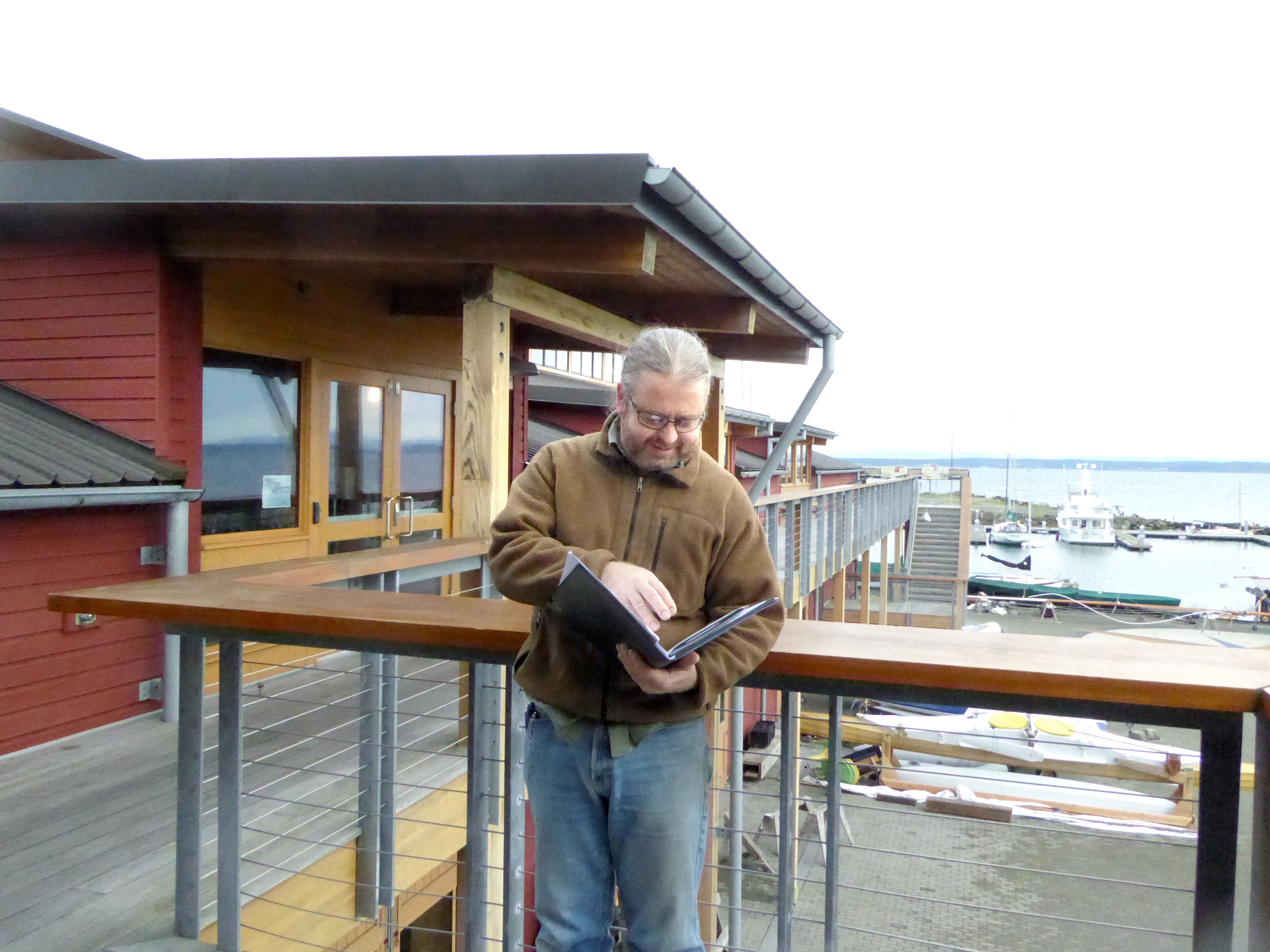
PORT TOWNSEND — The failure to recognize unexpected changes in circumstances is the cause of most maritime rescues, according to a Port Townsend man who is a veteran of such situations.
“A common mistake is keeping an objective you can’t meet anymore because conditions have changed,” said Northwest Maritime Center facilities director Erik Wennstrom, a water-rescue veteran.
“People are determined to cross the Strait on a certain day. When things go wrong, they don’t back up and question their original assumptions,” he said.
Wennstrom will tell stories about remarkable rescues and provide tips on preventing emergencies in a presentation at noon today at the Northwest Maritime Center, 431 Water St.
The presentation, part of the monthly Wooden Boat Wednesday program, is free and open to the public.
Wennstrom, 51, will review different incidents from the past 15 years of working on a fire boat, a rescue boat and with Vessel Assist.
He’ll discuss what went wrong and what could have been done differently in several scenarios, with the goal of urging people to consider some changes in boat handling and instructing them on how to become more resourceful in the event of an emergency.
“People need to be rescued because they hang on to a set of priorities they cannot reasonably meet or aren’t skilled enough to deal with,” he said.
“They should drive the boat they have and not the boat they think they have. Once a boat catches fire or takes on water, it is not the same boat anymore.”
Mariners who get into trouble because they misjudge the weather or the tide don’t call for help soon enough, he said.
“Most mariners will be far into trouble before they call the Coast Guard,” he said.
“But if they get into a situation where there is real risk and they can’t fix it in 90 seconds, they should call for help.”
Wennstrom said that help can always turn back if it isn’t needed, but if a boater spends 20 minutes trying to solve a problem and then calls for help, the situation can become even more severe.
To prepare for trouble, mariners need to work outside their comfort zone, he said.
“If you don’t push your skills in an intentional way, you will never get good enough to deal with emergencies,” he said.
“If you will only go out on flat water, you won’t know what to do when it gets rough.”
Waters around Port Townsend are often somewhat rough, with the area off Point Wilson being especially volatile.
“We have some of the worst water hazards on the Pacific Coast,” Wennstrom said of that area.
“If the wind goes against the tide, even skilled mariners in well-prepared boats can get pounded out there.”
Rescue situations can be avoided if boat owners familiarize themselves with various systems and develop a strategy for fire, taking on water or engine failure.
This can be as simple as knowing when to drop an anchor to delay hull damage or providing warm clothes when people get wet.
“You should be able to address the problems in several categories,” Wennstrom said.
“It’s like first aid: You don’t need to know how to do surgery, but it helps if you can stop the bleeding.”
For more information, visit www.nwmaritime.org or call 360-385-3628.
________
Jefferson County Editor Charlie Bermant can be reached at 360-385-2335 or cbermant@peninsuladailynews.com.
