
By Mike Stobbe
The Associated Press
ATLANTA — Fifty years ago, ashtrays seemed to be on every table and desk.
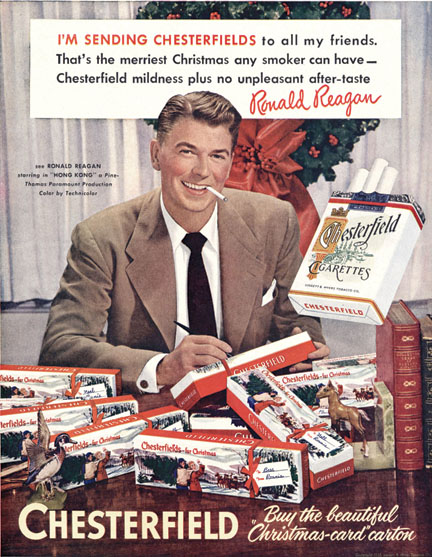
Athletes and even Fred Flintstone endorsed cigarettes in TV commercials.
Smoke hung in the air in restaurants, offices and airplane cabins.
More than 42 percent of U.S. adults smoked, and there was a good chance your doctor was among them.
The turning point came on Jan. 11, 1964. It was on that Saturday morning that Surgeon General Luther Terry released an emphatic and authoritative report that said smoking causes illness and death — and the government should do something about it.
In the decades that followed, warning labels were put on cigarette packs, cigarette commercials were banned, taxes were raised, and new restrictions were placed on where people could light up.
“It was the beginning,” said Kenneth Warner, a University of Michigan public health professor who is a leading authority on smoking and health.
It was not the end.
Although the U.S. smoking rate has fallen by more than half to 18 percent, that still translates to more than 43 million smokers.
Smoking is still far and away the leading preventable cause of death in the U.S. Some experts predict large numbers of Americans will puff away for decades to come.
Nevertheless, the Terry report has been called one of the most important documents in U.S. public health history, and on its 50th anniversary, officials are not only rolling out new anti-smoking campaigns but reflecting on what the nation did right that day.
The report’s bottom-line message was hardly revolutionary.
Since 1950, head-turning studies that found higher rates of lung cancer in heavy smokers had been appearing in medical journals.
In 1954, the American Cancer Society announced that smokers had a higher cancer risk.
But the tobacco industry fought back.
Manufacturers came out with cigarettes with filters that they claimed would trap toxins before they settled into smokers’ lungs.
And in 1954, they placed a full-page ad in hundreds of newspapers in which they argued that research linking their products and cancer was inconclusive.
It was a brilliant counter-offensive that left physicians and the public unsure how dangerous smoking really was. Cigarette sales rebounded.
In 1957 and 1959, Surgeon General Leroy Burney issued statements that heavy smoking causes lung cancer. But they had little impact.
Amid pressure from health advocates, President John F. Kennedy’s surgeon general, Terry, announced in 1962 that he was convening an expert panel to examine all the evidence and issue a comprehensive, debate-settling report.
To ensure the panel was unimpeachable, he let the tobacco industry veto any proposed members it regarded as biased.
The press conference was held on a Saturday partly out of concern about its effect on the stock market.
The committee said cigarette smoking clearly did cause lung cancer and was responsible for the nation’s escalating male cancer death rate.
It also said there was no valid evidence filters were reducing the danger. The committee also said — more vaguely — that the government should address the problem.
“This was front-page news, and every American knew it,” said Robin Koval, president of Legacy, an anti-smoking organization.
Cigarette consumption dropped a whopping 15 percent over the next three months but then began to rebound. Health officials realized it would take more than one report.
In 1965, Congress required cigarette packs to carry warning labels.
Two years later, the Federal Communications Commission ordered TV and radio stations to provide free air time for anti-smoking public service announcements.
Cigarette commercials were banned in 1971.
