
UPDATE TODAY FROM SPACEWEATHER.COM:
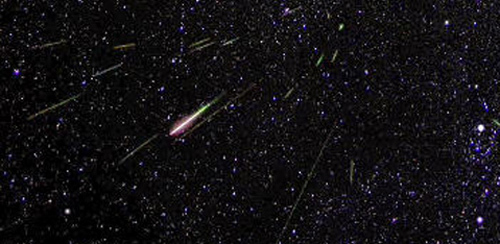
PERSEID METEOR SHOWER: Earth is entering a stream of debris from Comet Swift-Tuttle, source of the annual Perseid meteor shower.
Worldwide observers are now reporting more than 30 Perseids per hour, a number that could triple during the weekend when Earth reaches the heart of the debris zone.
Forecasters recommend looking during the dark hours before dawn, especially Sunday morning, August 12th, when activity is expected to be highest.
Visit http://spaceweather.com for sky maps, observing tips, and links to a live meteor radar.
——————————————–
ONE OF THE biggest meteor displays of the year, the Perseid meteor shower, will light up the North Olympic Peninsula sky this weekend.
The shower’s peak may produce up to 100 meteors per hour, according to NASA.
The best time to look for them in the northeast sky will be from around 11 p.m. Saturday to dawn Sunday, with plenty of action tonight and Sunday night.
The meteor shower will be active evenings and pre-dawn mornings through Aug. 24.
The forecast for this weekend is for good viewing weather, with partly cloudy skies and a waning crescent moon.
The Perseid meteor shower is generally one of the brightest and most reliable displays of shooting stars.
It has been visible annually for about 2,000 years as the Earth passes through the debris trail of the Swift-Tuttle Comet.
Because you don’t need special equipment to observe meteors, it can be a good activity for families and friends.
Get away to the darkest spot you can find away from bright city lights — like the turnouts on the highway to Hurricane Ridge, coastal beaches or a dark corner of your backyard — lie on a blanket or recline on a lawn chair and make sure you have a clear view of the northeast sky (though the meteors can appear in all parts of the sky).
Pack a midnight snack and a jug of hot chocolate.
No need for binoculars or a telescope — that will only limit the amount of sky you can see.
You’ll probably see a meteor or two every few minutes, spiced by a few spectacular fireballs blazing through night.
“With the Perseids in the sky, this coming weekend will be the perfect time to be camping in the backcountry of a national park,” according to National Parks Traveler magazine.
You can photograph the Perseids easily by setting your digital camera on a tripod and take several time exposures at the widest field of view setting.
Be sure to carefully review the images on a large screen afterward.
Perseids may show up photographically that weren’t apparent visually.
