
By Bob Moen
The Associated Press
CHEYENNE, Wyo. — Wildlife suffered higher than normal losses this winter in severe weather across the western United States, where the toll included the deaths of all known fawns in one Wyoming deer herd and dozens of endangered bighorn sheep in California.
Wildlife managers in Washington, Colorado, Utah, Idaho and Oregon also reported higher losses of animals in the wake of one of the coldest and snowiest winters in decades. Parts of the Rockies saw snowfall as late as mid-June.
“This year we kind of had all the factors that we don’t want — we had deep snow, we had periods of fairly cold weather, subzero, and then we also had some crusting on top of that snow,” said Roger Phillips, spokesman for the Idaho Fish and Game Department.
Wildlife managers have been assessing the damage using radio collars and surveys of herds following a winter in which many parts of the West recorded record snowfall, including places where deer, pronghorn antelope and elk migrate each fall to escape the harsher mountain winters.
Prolonged snow cover on winter grounds made it difficult for wildlife to find food, and spells of bitter cold made matters worse for the weakened animals by hardening the snow.
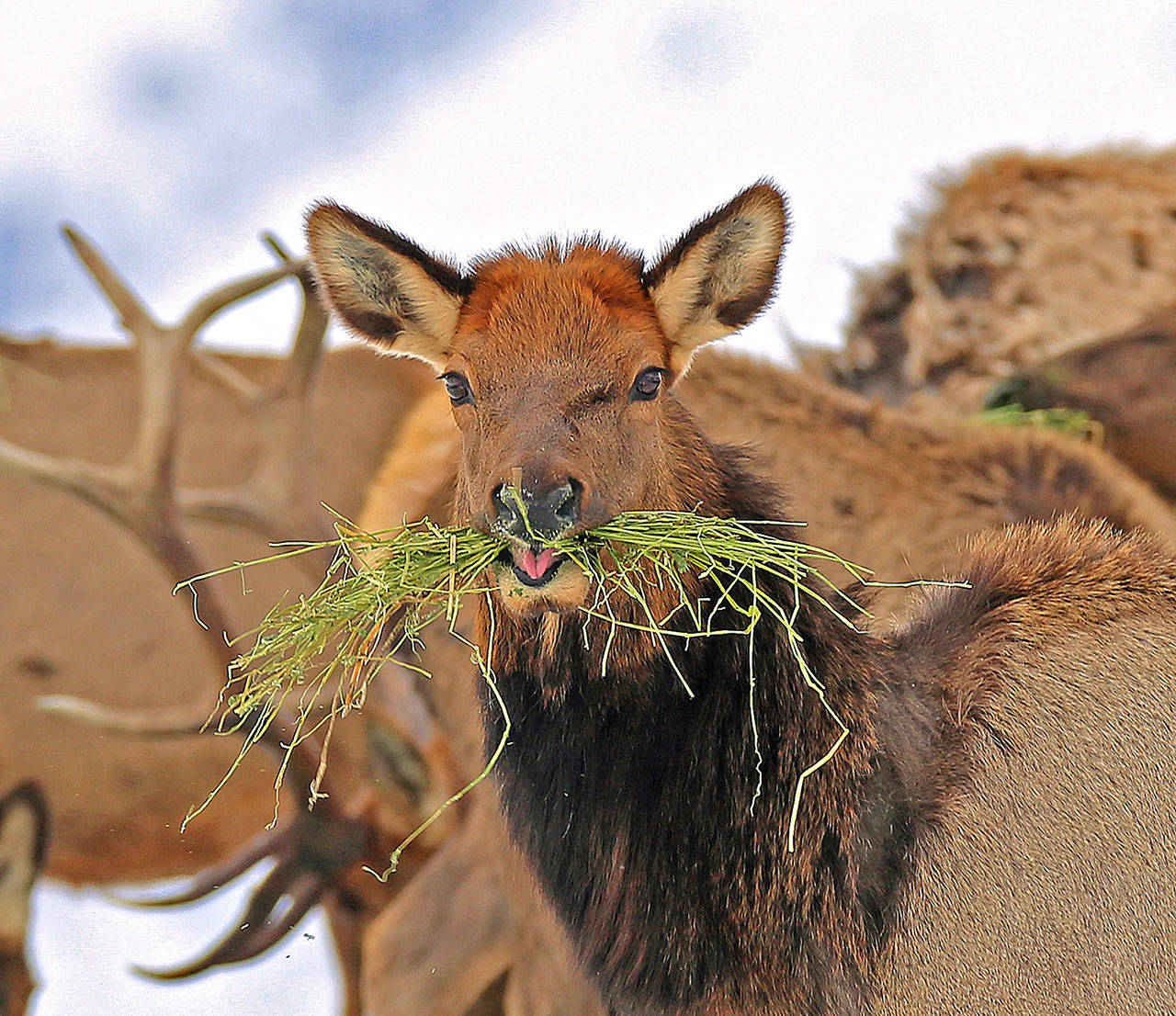
Mule deer in several Rocky Mountain states and elk in eastern Washington were hit hard. Wyoming was expecting above-normal losses among antelope as well, although it didn’t have an accurate accounting yet.
Wyoming last saw comparable wildlife deaths more than three decades ago, said Bob Lanka, supervisor of statewide wildlife and habitat management program with the Wyoming Game and Fish Department.
“It’s been a long, long time since we experienced this kind of loss,” he said.
Meteorologist David Lipson of the National Weather Service in Riverton, Wyo., blamed the rough winter on “unusually strong rivers of moisture” flowing into the West from the Pacific Ocean, where a weak and unusually short-lived La Niña occurred.
In California, the Sierra Nevada bighorn sheep, which is listed as an endangered species, lost an estimated 40 to 60 animals.
“We’re not including any predation or normal mortality or any other kind of losses; that’s just from the snow, from getting trapped up in the snow and not having food, some of them starving and then some of them directly impacted by avalanches,” said Jason Holley, supervising wildlife biologist with the California Department of Fish and Wildlife.
Montana wildlife were spared the deadly conditions seen in neighboring states, according to Ken McDonald, wildlife division administrator with the Montana Fish, Wildlife and Parks Department. Nevada saw near average wildlife losses statewide, while a few isolated areas in the northeast part of the state had slightly higher than average mortality, said Tom Donham, a Nevada Department of Wildlife biologist.
Wildlife managers are responding by reducing hunting permits in the hard-hit areas.
“There will be less hunting opportunity this coming fall for sure, and the people that do get a license, whether it’s a general license or a limited quota tag, I don’t think there’s going to be any doubt they’re going to notice less animals on the landscape,” Lanka said.
Mike Clark, owner of Greys River Outfitters in western Wyoming, said the loss of mule deer and antelope tags will be hard on his business, which includes deer, antelope and elk hunts.
“Luckily, we can still work with some elk,” Clark said.
However, outfitters have to be careful not to overhunt elk and overload their fall hunting camps with too many hunters to make up for the decline in deer hunting, he said.
“It just takes away from the quality of the hunt if you got too many hunters in camp,” Clark said.
Biologists said the wildlife herds eventually should recover with the help of reduced hunting and a return to at least normal weather conditions next winter.
However, forecasters said it’s too early to predict how next winter will play out.
“What happens in the future depends a lot on what kind of winter we see next year,” Phillips said. “If we have back-to-back hard winters, it could be tough.”
