
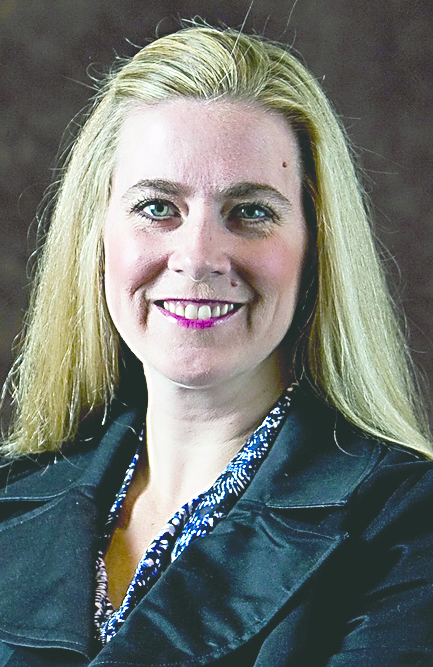
By Whitney Meissner
IN THE PAST decade, enrollment in our small rural school district decreased by a third, and the percentage of low-income kids in our schools doubled from 25 percent to 50 percent.
Yet our on-time graduation rate actually increased to 92 percent.
As many as 90 percent of our graduates go on to college or other post-secondary training.
At Chimacum Middle School and Chimacum High School, we do this through the aggressive use of advisory classes supported by the Navigation 101 program, which is jointly funded by the state of Washington and College Spark Washington.
The state’s portion of that money is threatened by budget cuts in Olympia.
Many kids in our schools have little knowledge of the opportunities that await them outside rural Jefferson County, where little family-wage work is available.
One of our most important tasks as educators is to open as many doors for them as we can, so they have many positive paths from which to choose.
As the name suggests, we use Navigation 101 to help kids navigate middle school and high school and graduate ready for college and a career, armed not only with the academic knowledge they get from their regular classes, but also the skills and understanding to pursue opportunities.
The program starts in middle school, where advisory classes meet daily.
Groups of sixth, seventh and eighth graders, guided by a single teacher over their three years in middle school, work together to support one another, help solve the many thorny problems of middle-school life, and build portfolios of their work to use in student-led conferences with their families.
We group the grades together to help foster a culture of mentoring.
At this stage, the program is focused on helping students work through the many social issues that can hinder their progress in school, including bullying and problems at home.
As students move on to high school, we try to keep the groups together, so those relationships will continue to help students help one another.
In high school, mixed classes of freshmen, sophomores, juniors and seniors meet with their advisory teacher twice a week, focusing on how to sustain academic success and prepare for the world after high school.
For some, this is a rare opportunity to have a meaningful conversation with an adult about something that matters to the student.
Advisory classes and the rapport they build between students and teachers helps us guide students through obstacles that might stop them from succeeding.
One of our seniors has been in foster care since the age of 10.
The guidance and support she has received in our school community has helped her overcome a troubled relationship with her biological family and achieve academic success.
She has been taking classes at the local community college through Running Start and will be nearly done with a two-year degree when she graduates in June.
We know these kids, we know their stories, and we don’t give up on them.
In the grand scheme of the billions of dollars the state spends on education every year, the few thousand dollars we receive for Navigation 101 is tiny.
But for a small rural district, that money looms very large.
It helps us do a better job of preparing students for college, career and life.
Please call your state legislator and ask them to help us preserve this vital program.
_______
Whitney Meissner, principal of Chimacum High School, Chimacum Middle School and Chimacum Pi, the district’s alternative K-12 school, is president of the Association of Washington Middle Level Principals.
