
Peninsula Daily News and McClatchy News Service
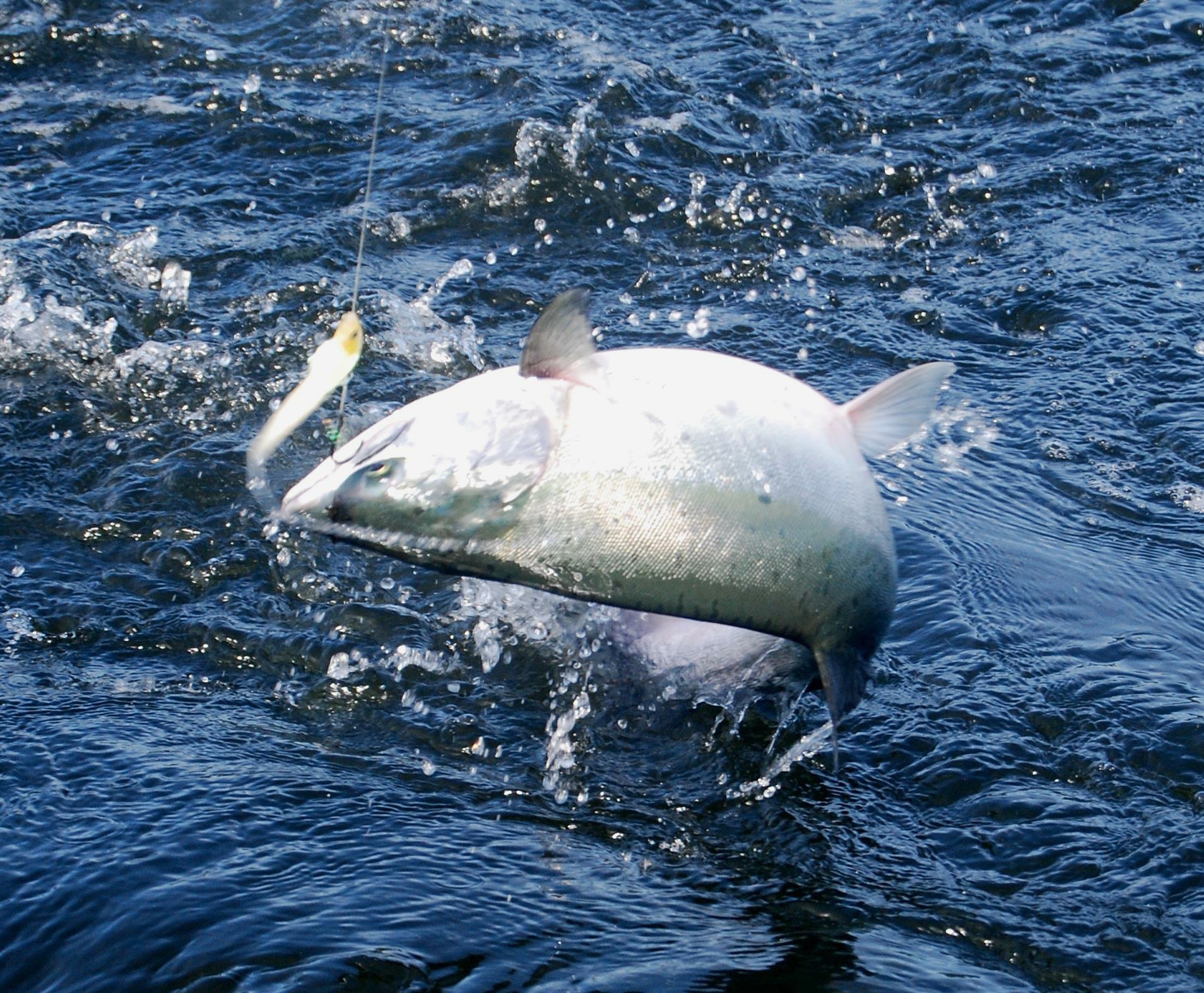
OLYMPIA — Alarmed by dwindling wild coho runs hammered by poor ocean conditions, state and tribal fish managers are considering shutting down the recreational and commercial ocean coho and chinook fishery for the 2016 season.
A decision will be made by the Pacific Fishery Management Council at its April meeting.
The commission will consider a range of options, including a coastwide closure in Washington, proposed Sunday by state, tribal and federal fishery managers.
The consideration is part of the annual season-setting process for the West Coast.
Two options would permit some salmon fishing this year, but one would close all recreational and commercial ocean fisheries for chinook and coho.
“In many instances returns will likely be far below minimum levels needed to produce the next generation of salmon,” said Lorraine Loomis, chair of the Northwest Indian Fisheries Commission, which comanages salmon runs with the state. “Conservation must be our sole focus as we work to rebuild these stocks.”
Alternatives
According to a news release from the state Department of Fish and Wildlife, the non-treaty recreational fishing alternatives include the following quotas for fisheries off the Washington coast:
Alternative 1: 58,600 chinook and 37,800 coho. This option includes early season fisheries, from June 18-30, for hatchery chinook in Washington’s ocean waters (marine areas 1-4). This option also allows hatchery coho retention in all four marine areas during the traditional summer fishery.
Alternative 2: 30,000 chinook and 14,700 coho.
This option does not include early season fisheries for hatchery chinook, but provides summer chinook fisheries in all four marine areas. Hatchery coho fishing would be allowed only in Marine Area 1 (Ilwaco).
Alternative 3: No commercial or recreational salmon fisheries in Washington’s ocean waters.
For more details about the options, visit the PFMC webpage at http://www.pcouncil.org.
Last year
Coho also made a poor showing last year, with only about 242,000 — compared with a predicted 700,000 — returning to the Columbia River, where some stocks already are listed for protection under the federal Endangered Species Act.
This year the situation is worse, with forecasters predicting about 380,000 Columbia River hatchery coho will return to the Washington coast — about half of last year’s forecast, which turned out to be overly optimistic.
Poor ocean conditions including a huge blob of warm water off the West Coast contributed to last year’s lower-than-expected return of coho.
The seasons set by the PFMC establish fishing seasons in ocean waters three to 200 miles off the Pacific Coast.
Jim Unsworth, director of Fish and Wildlife, said he hopes fishery managers can provide some ocean salmon fishing opportunities this year, but must place a higher priority on protecting the diminished number of wild coho expected to return this year.
“Fishery managers face many difficult decisions in the weeks ahead as we move toward solidifying salmon-fishing seasons for the state,” Unsworth said. “We know that severely limiting opportunities will hurt many families and communities that depend on these fisheries. But conserving wild salmon is our top priority and is in the best interest of future generations of Washingtonians.”
A public hearing on the three alternatives will be held March 28 in Westport.
In addition to the March 28 hearing, several other meetings will take place later this month and in early April to discuss regional fisheries issues.
The public can comment on the proposed ocean alternatives as well as on other proposed salmon fisheries through Fish and Wildlife’s North of Falcon webpage at http://wdfw.wa.gov/fishing/northfalcon.
