
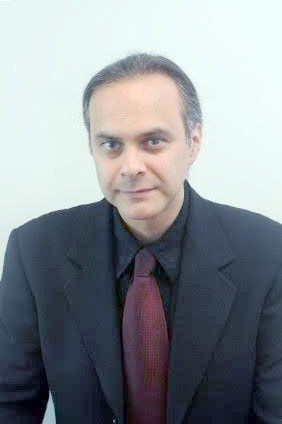
NEAH BAY — The People of the Cape — the Makah tribe — dance, sing and canoe-race into the spotlight this weekend with the annual Makah Days celebration, but for people such as Joshua Reid, this culture captivates far beyond the three-day event.
Reid is the author of The Sea Is My Country: The Maritime World of the Makahs, a book born of a long-ago walk along the Cape Alava trail south of Neah Bay.
A member of the Snohomish tribe who grew up in Olympia, Reid went down to the cape with his parents during the 1970s — before he could walk.
“They have a photo of me tucked away in the top of a backpack,” he said.
The family would set out again and again to this far northwest corner.
So for Reid, who went on to college at Yale and then to the University of California at Davis, Neah Bay and its capes have always been special.
By 1999, when the Makah regained whaling rights and held a successful hunt for a gray whale, Reid was teaching middle school in Seattle.
“My students had many questions about the hunt, Indian treaty rights and animal rights,” he recalled.
It was a decade ago that Reid embarked on writing The Sea Is My Country, which was published by Yale University Press this May.
He wanted to explore not only how the Makah have lived for centuries in concert with the Pacific Ocean, but also why whaling remains a cultural keystone today.
“The availability of whales, seals and halibut made the People of the Cape different from others,” Reid writes in his introduction.
“Makah leaders recognized the foundation of their power and identity, an understanding captured in the words of Caqawix (tsuh-kah-wihtl), a Makah chief, during the negotiations for the 1855 Treaty of Neah Bay.
“He told the negotiators, ‘I want the sea. That is my country.’”
It’s been a long voyage for Reid — and now his book brings questing readers on board.
In it, he travels back in time to the clear June day when the Felice Adventurer, captained by British Royal Navy veteran John Meares, entered Makah waters. This was 1788, and the Makah chief was Tatoosh.
“In order to show his stout, courageous heart,” Reid recounts, “Tatoosh painted his face black and added glittering sand.”
Of this, Meares wrote in his log: “So surly and forbidding a character we had not yet seen.
“He informed us . . . we were now within the limits of his government, which extended a considerable way to the Southwest.”
Reid takes his reader through the ensuing 227 years of trade, struggle, triumph — and more struggle.
Through work at the Makah Cultural and Research Center in Neah Bay, listening to the oral histories of the Makah elders and through time spent with leaders such as Micah McCarty and his family, the author explores the past, present and what the tribe calls a “traditional future,” with fishing and whaling rights.
McCarty, former Makah Tribal Council chairman who now leads the board of First Stewards, an indigenous group concerned with climate change, gives high praise to The Sea Is My Country.
“Josh has approached this project with unequivocal scholarship,” he writes in the book’s foreword.
“He has provided for the Makah voice to be heard within his work, something that is often missing in publications.
“As a modern tribe we continually work to protect our treaty rights and way of life . . . all the while immersing our children in cultural traditions,” he wrote.
“We have been working through the federal government’s procedures to resume our treat-secured right to hunt whales for more than twenty years. This battle continues while another generation of whalers comes of age.”
Reid’s book “reminds us of how our forefathers maneuvered within both traditional and non-Indian systems to retain our identity,” McCarty continues, and to “allow us to live and thrive.”
The Sea Is My Country is available at the Makah Cultural and Research Center, 1880 Bayview Ave., as well as from bookstores and online outlets.
Reid plans to give a talk on the book at the center later this year, along with adapting it for curriculum to be used in the Cape Flattery School District.
He hopes those who pick up his book take away “a sense of the challenges Makahs have faced and continue to face . . . Perhaps this will help readers better understand why Makahs continue to whale today.”
Through hunting whales off Cape Flattery, Reid writes, “today’s Makahs are articulating a traditional future instead of grasping at a long-lost static past.
“Makah-language teacher Crystal Thompson explains that whaling remains important for the future of her people because of the way it restores customary indigenous foodways, encouraging her community to eat ‘the things we were meant to eat instead of what people brought here for us.’”
Reid also quotes Makah Research and Cultural Center director Janine Ledford: Whaling is part of building a healthy population for the future, she has said.
The preparations the whalers make, with support from their families, strengthen the whole community, she said.
Reid finished The Sea Is My Country while teaching at the University of Massachusetts in Boston.
Then, just this summer, he got the opportunity to move across the country and back home.
This September, Reid will start a new job as associate professor in the history and Native American studies departments at the University of Washington in Seattle.
________
Features Editor Diane Urbani de la Paz can be reached at 360-452-2345, ext. 5062, or at diane.urbani@peninsuladailynews.com.
