
WHEN YOU TRAVEL to different countries or different places in this country, it’s easy to pick up local slang.
After two weeks of birding in England, I began using some of the Brits’ bird-watcher expressions.
A column featuring this trip earned me a call from my editor.
“I don’t recognize the word ‘jizz.’ ”
I thought I had successfully defined it for him, but Bob was adamant.
“You’ll have to change it.”
Bob Mottram was one of my all-time favorite editors. That’s saying something because I’ve had some great ones over the years. I was disappointed I couldn’t get him to change his mind.
That was a few decades ago. Now, jizz is widely recognized among this country’s birders.
To understand its meaning, think of a familiar bird you easily. You recognize it by its jizz.
That’s what you are doing when you say something like, “It looks like — or it acts like a robin.”
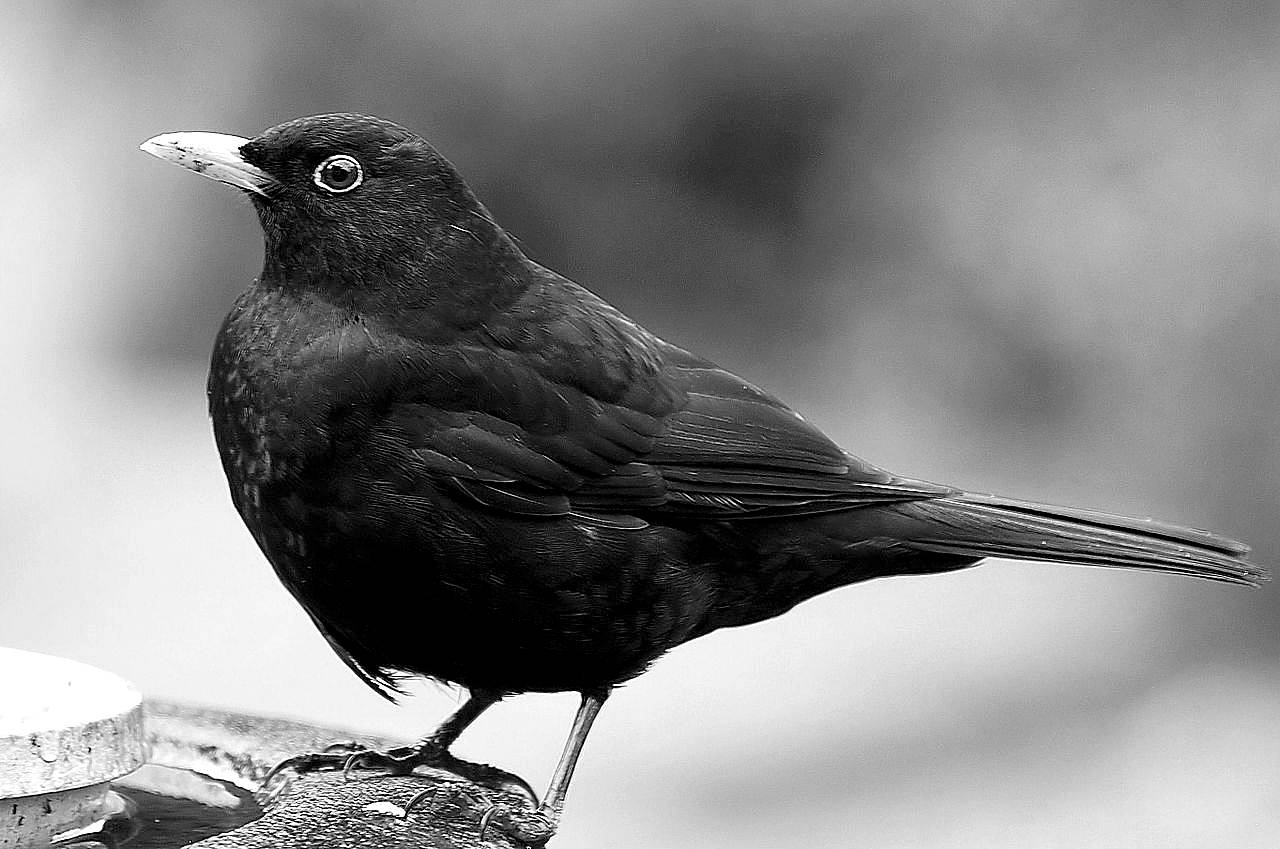
When I saw my first “blackbird” in Australia, my instinctive reaction was, “That’s a black robin!”
The European blackbird (introduced to Australia) and our American robin are cousins. Both belong to the family Turdus. Even though their coloring differs greatly, they bear a strong resemblance to one another.
Roger Tory Peterson, dean of American bird-watchers, developed what he (and others) called the “Peterson System of Birdwatching.” When teaching beginning birders some of the finer points of bird identification, he listed different features to pay attention to when attempting to identify a new bird. He was, in effect, telling them to pay attention to the bird’s jizz.
You not only look for those all-important “flash-marks” or “field marks” that make a bird stand out, you also notice how it acts, what it is doing and even its silhouette.
As birds are mostly habitat-specific, it’s a good idea to take notice of the surrounding habitat. These points and more are included in the Peterson system.
The other week, the system came into play in my front yard. A bird I wanted to see kept ducking behind tree leaves or almost disappearing into deep shadow. It was hard to get a good look at it, but I knew it was a red-breasted sapsucker.
Sapsuckers and other woodpeckers have an almost military profile. They perch in a very erect position when foraging on trees and large bushes.
This one was working on the large branches in the 15-foot elderberry bush that has become tree-sized. The bird’s coloring was mostly dark because of the deep shade. Size, silhouette and action were part of its jizz.
As the colors on the trees grow more beautiful every day and fall reaches maturity, we are seeing more and more birds back in the inland waters. A local park borders a popular estuary in Poulsbo.
Fish Park includes a wide variety of habitats to stroll through, and that’s what my sister and I were doing. The green-winged teal were paddling about in the waters that were flooding the estuary during high tide. We started looking for more bird-related action.
A lone shorebird was spotted running along a large log floating in this area. For only a second, it stymied us.
Then, as the bird’s jizz was recognized, we knew we were looking at a spotted sandpiper. They have an easy-to-spot element in their jizz.
Not only does their silhouette show them creeping along, head scrunched into their neck, but they also “teeter” their tail. They snap it up and down as they walk.
The way this bird flies is also part of its jizz. Straight and low over the water, it flies with a pumping action and then a glide.
It can be in summer or winter plumage but easily recognized by its tail snapping and pumping wings when in flight.
Spotted sandpipers often feed along local beaches and in estuaries at this time of the year. This is a good time to become familiar with their jizz.
________
Joan Carson’s column appears every Sunday. Contact her at P.O. Box 532, Poulsbo, WA 98370, with a self-addressed, stamped envelope for a reply. Email: joanpcarson@comcast.net.
