
MY GOODNESS — THIS spring weather!
As a very good old Wisconsin boy, I want to first remind everyone, even though it’s been raining for a few weeks, it is not snowing — it is why I love living here. The weather here is perfect, but alas, right now it may be too perfect.
Well yesterday, seeing that no frost is predicted for the next 10 days, I had to sound the alarm.
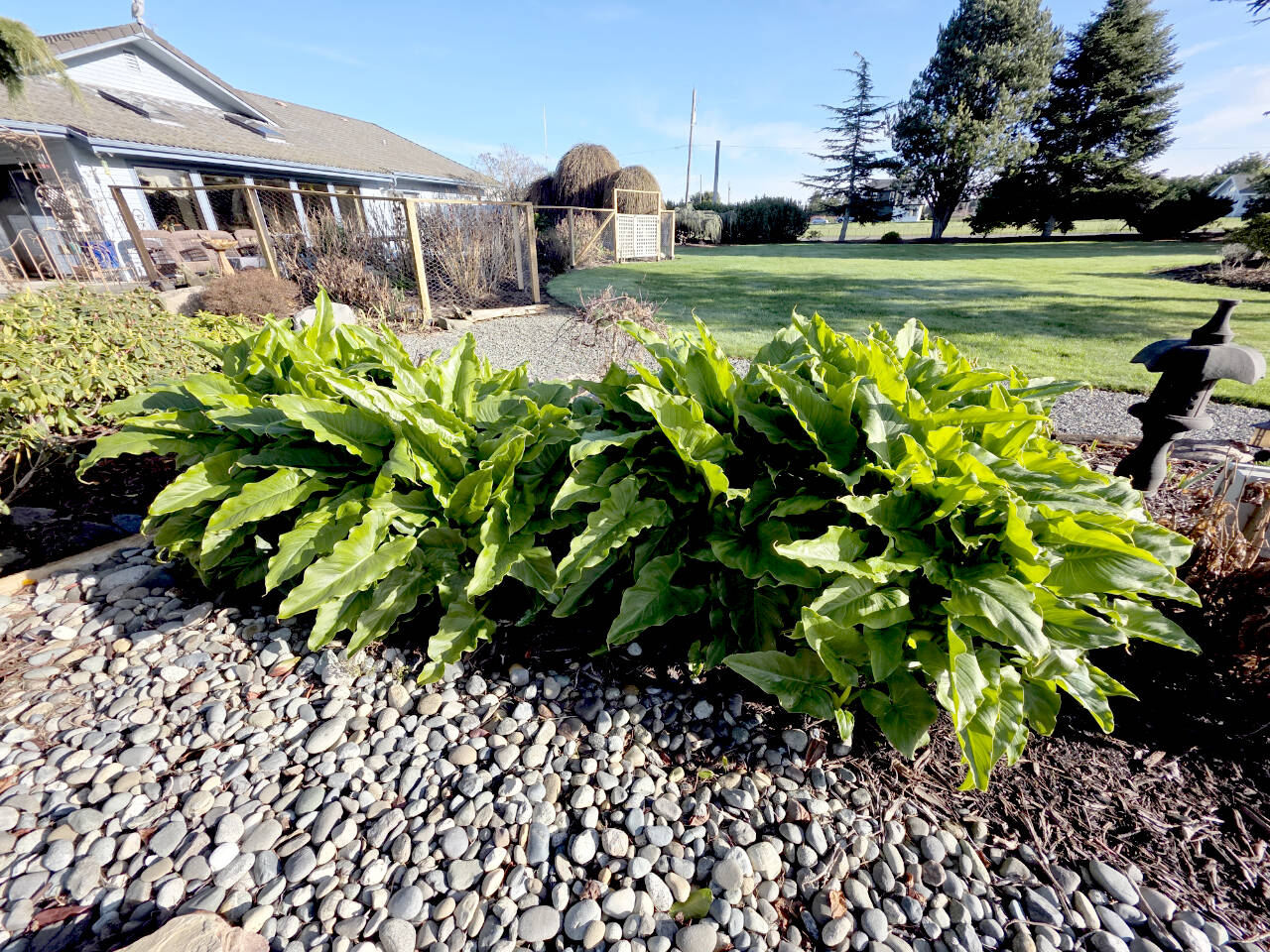
The problem here on the Peninsula is that February tends to be our coldest month of the year. But my worry is compounded as calla lilies (native to central America), are now already 10 to 12 inches tall and vigorously sprouting.
That means I need to gather even more evergreen branches in preparation to save them if low 20s or high-teen temperatures descend on us.
Then as I was walking through the garden, my body shuttered as I heard a crunching sound. You’ve got to be kidding me — 6-inch-high daffodils were there beneath my feet. And as I was raking up some wet weeds, I cringed as I saw the rake snap off some peony sprouts. Come on, it was just Jan. 14.
So, let us review what I want to say. Go out in your yard (carefully) and survey the situation.
The rain has been relentless and thus can cause real rot and mold issues. If that is the case, very carefully clean the area, but be careful not to clean up so well as to destroy newly emerging growth.
Be very careful not to clean up so well that you leave nothing to block the sun from beating down directly on the plant or ground. We’ve had some 50-degree weather this week, only making the matter worse. Bare ground and extremely cut-back perennials can have surface temperatures in the 60s or 70s due to radiant heat.
So again, look at all your plants very carefully, but be cognizant that too thorough of a job may be bad as well.
My next big weather concern is pruning, let’s do it now — finally. Start on the orchard today, today, yesterday and tomorrow. I think the sap will be rising soon, so attack them now.
Begin with plums and cherries because they break dormancy first.
Next your roses. Roses are cool-tolerant plants. Roses never really go dormant, and for many of us, the buds slowly, slowly rot and mildew away. This is not “premature,” but here on the Peninsula, it’s quite normal for roses.
I would go out now and strip away all leaves larger than a nickel in size. If you don’t do this, they (if not already) will infest your roses with black spot and rust this spring and summer.
I would prune these now because I don’t want to stimulate premature growth, which could happen now.
I would, however, deadhead only the flower buds as they slime away or pull off the pedals and let the rose hips develop.
The wildlife will thank you later for this.
I would also clean away all the debris, dead leaves, stems or branch pieces completely from the ground around the roses.
Apply new mulch, first adding a dosage of fertilizer. This again will help prevent black spot and rust, as well as stimulate and feed new root production.
The technique of pruning your roses will come later and is an involved process demanding a knowledge of your rose types. I will write about it later, perhaps mid-February.
So for now, enjoy our great weather, take good care of your garden, but above all, take good care of yourself … and stay well all.
________
Andrew May is a freelance writer and ornamental horticulturist who dreams of having Clallam and Jefferson counties nationally recognized as “Flower Peninsula USA.” Send him questions c/o Peninsula Daily News, P.O. Box 1330, Port Angeles, WA 98362, or email news@peninsuladailynews.com (subject line: Andrew May).
