ONCE AGAIN, I’VE embarked on another trip and so will yet again use this travel plan as a theme for my column.
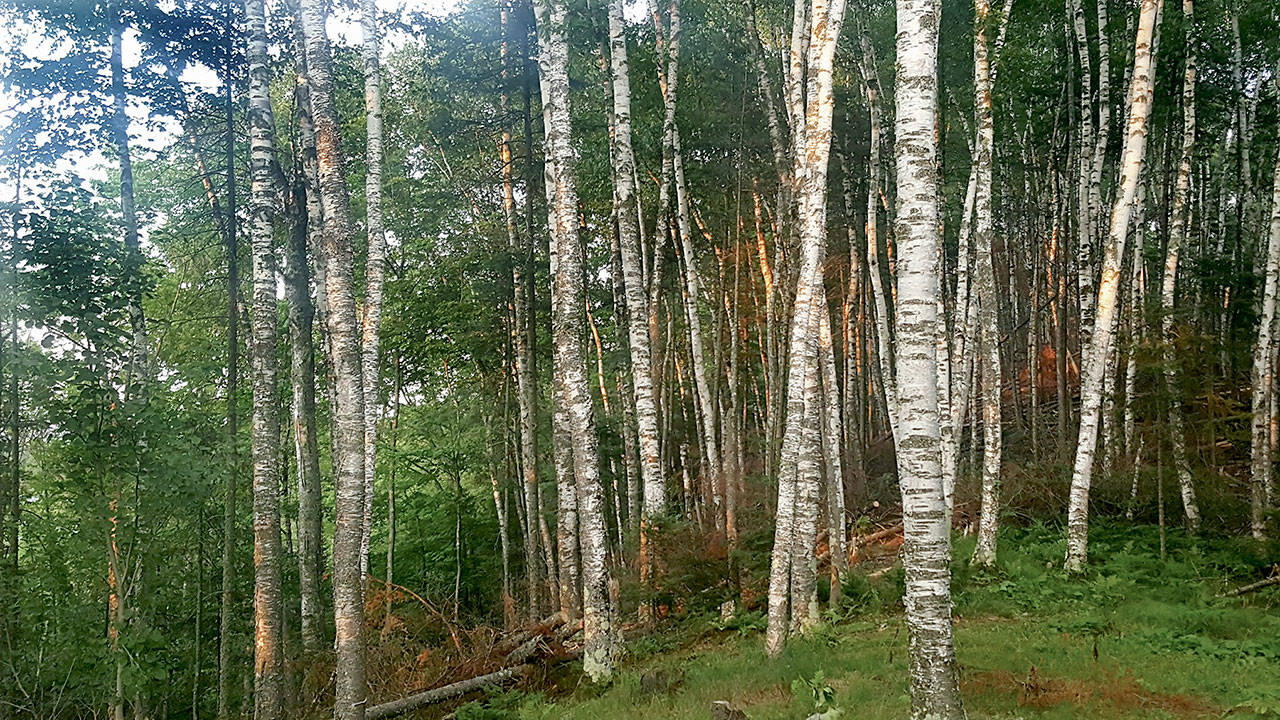
My excursion took me atop the ridge of the Niagara Escarpment along the border of Wisconsin and the Upper Peninsula of Michigan — “Yooper-ville,” as it is endearingly called.
Our family cottage is on Morton Lake, the headwaters of the northerly flowing Presque Isle River.
This is the area where both the deciduous forest (i.e., temperate forest) and the evergreen forest (boreal forest) collide, so all the flora and fauna of these ecosystems flourish.
In short, it is a unique environment, much like the Olympic Peninsula, full of beauty and a wide variety of plants.
And that leads us to today’s message: Plant a native garden.
First, let’s start with the plain and simple fact that no other plants will perform better in your yard than native indigenous botanicals.
Native plants have evolved in our climate, love our nutrient-poor soils, can handle quite well our weather patterns and have adapted to the bugs and diseases!
These facts translate into one great advantage: far less work!
As I have boasted for years, our soils here are very challenging for most fine ornamentals and need copious amounts of additives to improve their tilth.
Not so with native plants, because of their evolutionary development in our poor soils. This not only saves vast amounts of labor in preparation but large sums of money as well.
Nor do native plants require the annual soil care that your flower gardens require; however, mulching heavily is always a good idea.
As a whole, native plants don’t require as much personal care regarding pruning, as their “look” and “character” are more free-flowing.
You won’t spend so much on organic fertilizers or preventive sprays and sprayers, either.
For me, however, a huge advantage of native plants is both the weather and the pestilence.
Native plants have developed over millennia to adjust to the diseases that can harm so many of your beautiful landscaped plants (think powdery mildew).
In many cases, they have evolved with a natural immunity or resistance, including with bugs.
They don’t have the same issues with aphids or other common garden pests that so ravage your vegetable garden, roses or dahlias, to name but a few.
So again, natives not only save you time and effort, but from year to year can look much healthier overall.
Then there is the issue of rainfall.
We get monsoons in the winter and arid, drought-like conditions during the summer.
But no worries. This is the climate indigenous plants have grown up in, so bring on the weather.
Finally, native plants tend to cost less since they are “from here” — no patent fees, copyrights, long-haul delivery or research and development costs. Mother Nature is passing that on at no charge.
So if you want to save time and money along with a lot of effort while saving resources, give native plants and/or a garden a try.
Then take this saved money and take more time traveling the world and visiting arboretums and coastal ranges along our great nation and those of other countries.
Heck, I even have a native garden — in both states.
________
Andrew May is an ornamental horticulturist who dreams of having Clallam and Jefferson counties nationally recognized as “Flower Peninsula USA.” Send him questions c/o Peninsula Daily News, P.O. Box 1330, Port Angeles, WA 98362, or email news@peninsula dailynews.com (subject line: Andrew May).
