
PORT ANGELES — Dean Francis, an inmate at the Clallam County jail attempting to kick a heroin habit, is involved in a program unlike any others in the state.
The 28-year-old Port Angeles resident is in the jail’s medically assisted opioid addiction treatment program and is taking Suboxone to kill his cravings for heroin. He is one of 12 inmates who have participated in the program since its inception in February.
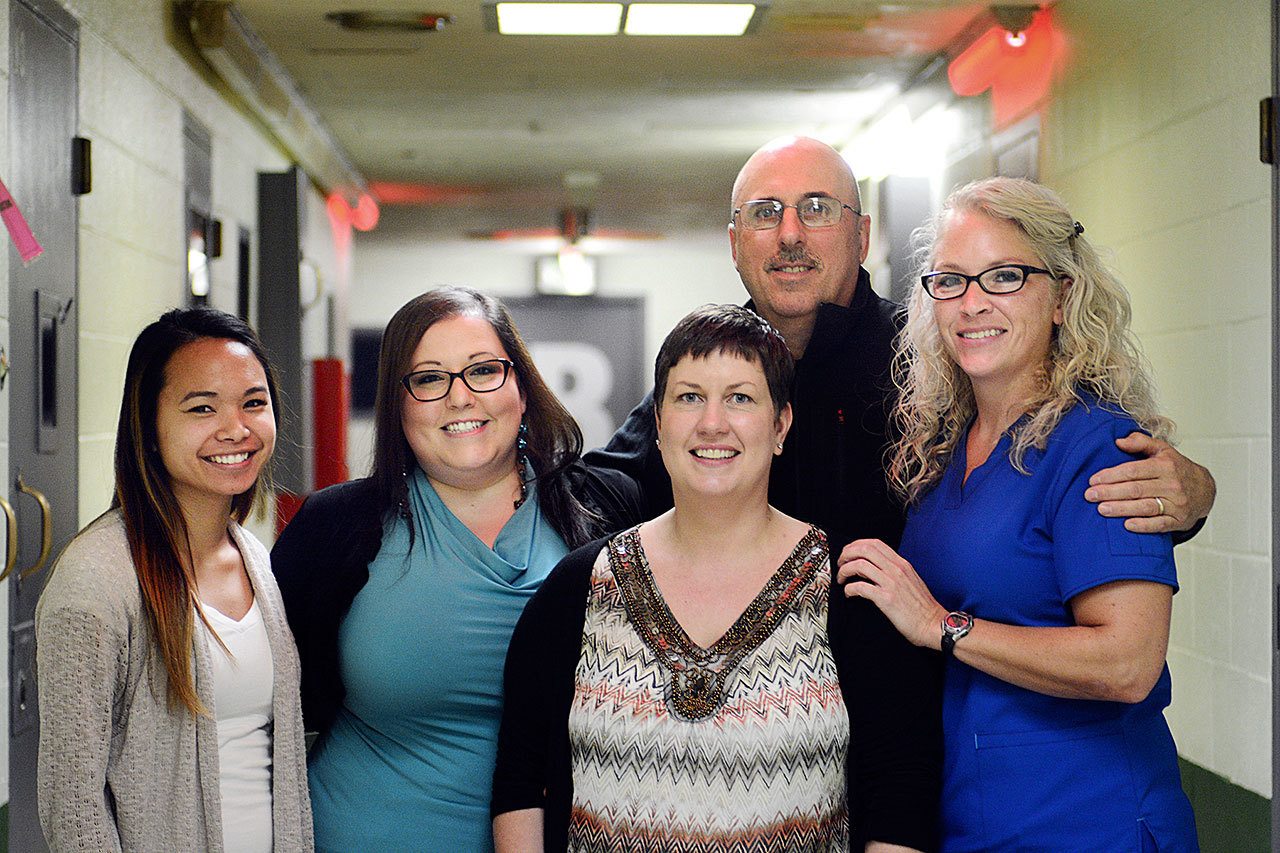
The program, which is the only medically assisted drug treatment program inside a jail in the state and was the first on the West Coast, is an initiative conceived by Clallam County Sheriff Bill Benedict and carried out by the medical staff who work with inmates daily.
“I plan on using [Suboxone] as a crutch until I’m strong enough and the heroin isn’t overpowering me — sucking me back in to use it all the time,” said Francis, who said he’s overdosed about a dozen times.
His last overdose was July 15, the same day he was released from the Clallam County jail.
“If they leave the jail with an adequate Suboxone level, there’s not going to really be any narcotic cravings,” said Art Tordini, the jail’s doctor.
“They are still returning to the social environment they came from before … but at least they are not craving narcotics, feeling miserable and wanting to use.”
Suboxone is a sublingual strip that contains buprenorphine and is used to treat people addicted to opioids. It’s a partial agonist, meaning it fulfills the physical craving for opioids but doesn’t produce the same high. The drug also contains Naloxone, which counteracts opioid overdoses and helps prevent people from abusing Suboxone, officials said.
The team is selective in deciding which inmates are eligible for the program. Tordini estimated that at any given time, about 10 percent of the inmates in the jail are going through narcotic withdrawal, but since February, only a dozen inmates have been accepted into the program.
“It’s a huge number of people who come through the jail who are potential candidates,” he said.
The team looks at whether the inmate is serious about getting clean and the likelihood of success.
It’s hard to know how successful the program has been, he said, adding that only one of the 12 inmates treated since February has returned to the jail.
Julia Keegan, health services administrator for the jail, said too often, she hears of inmates she has treated who have overdosed and died once released from jail.
“The main goal for me is to save lives because I don’t like putting my hands on a patient and finding out the next day, they were released and are dead,” she said. “That’s happened too many times in the past six years.”
Keegan said staff members refuse to give up on their patients. While patients are billed for their Suboxone, if they can’t afford it, the jail will provide it regardless. Jail staff members also help patients enroll in insurance so they can continue receiving Suboxone once they are released.
Stephanie Diltz, a social worker for Peninsula Behavioral Health who works in the jail, said the goal of the program is to give inmates an opportunity to improve their lives but that staff also recognize that success won’t be immediate.
“We do all understand that change is a process,” Diltz said. “They aren’t just going to miraculously walk out with Suboxone and magically change their life.”
Treatment typically starts a few days before an inmate is released. Once they are released, the jail connects them with the one clinic in Clallam County that will follow up with the inmates.
Inmates are not accepted into the program if a provider doesn’t agree to see them, Tordini said.
A major hurdle the program faces is a lack of providers in the county that will prescribe Suboxone, he said.
The only clinic in the county that participates in the program is the Jamestown Family Health Clinic, he said.
“Our biggest problem here is almost nobody in the community wants to be involved,” Tordini said. “In general, you’re talking about treating a difficult population of people, whether they are law enforcement problems or not.”
With many of the patients from the jail receiving insurance through Medicaid, there is little financial incentive for doctors to accept them, Tordini said, adding that Medicaid pays pennies on the dollar for visits.
Tordini prescribes to the inmates only while they are at the jail. Once they are released, they need an outside doctor to continue.
With few doctors in the area prescribing Suboxone, there is little the jail’s program can do in some cases.
“We had three clinics initially, but now we’re down to one,” Tordini said. “Even though there is a need and we might identify patients that we all agree would be good candidates, if we can’t get them into that one practice, then it’s a no-go.”
Efforts to reach Jefferson County officials about whether they are considering a similar program were unsuccessful Wednesday.
Ron Sukert, the jail’s superintendent, said this program is one way the correctional facility is actually correcting behavior and drug use.
“It’s a misnomer if we don’t do something to correct behavior,” he said, adding he doesn’t want the Clallam County jail to become a warehouse.
“I’ve always told these people getting out is easy but staying out is hard,” he said. “You need to change your behavior … if you want to stay out.”
________
Reporter Jesse Major can be reached at 360-452-2345, ext. 56250, or at jmajor@peninsuladailynews.com.
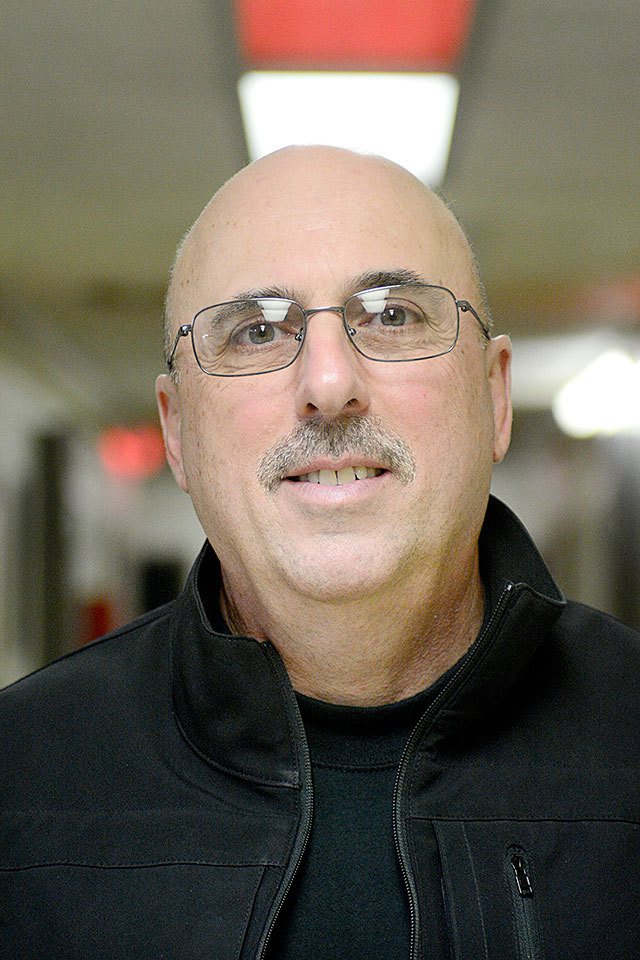
Art Tordini
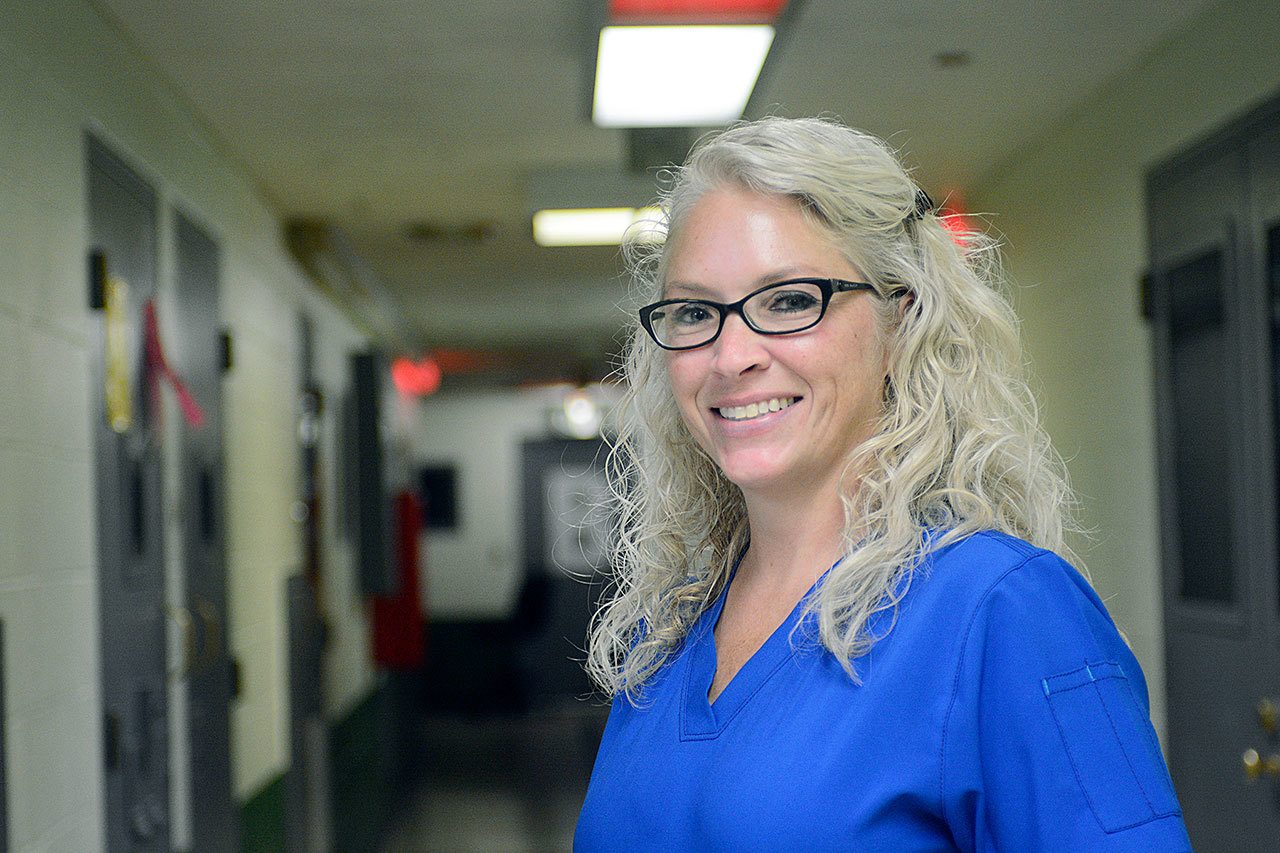
Julia Keegan said that far too often the people she sees at the Clallam County jail end up dead from a heroin overdose once they leave. (Jesse Major/Peninsula Daily News)
